
Mardi Himal Trek, Poon Hill Trek & Annapurna Base Camp Trek via Poon Hill: A Complete Guide to the Best Annapurna Base Camp Trek Experience

193 Views
If you’ve spent any time researching Nepal trekking, you already know the problem: too many good options and not enough time to sort through them. The Annapurna region alone throws out at least three trails that constantly show up in every “best treks in Nepal” list—the Mardi Himal trek, the Poon Hill trek, and the Annapurna Base Camp trek via Poon Hill. Each one promises mountain views, warm tea houses, and that particular kind of tired-but-happy feeling you only get after a few days on the trail. But which one actually fits your schedule, your legs, and your travel mood?
The Annapurna region keeps pulling trekkers back year after year, and it’s not hard to see why. You get everything from short, peaceful forest walks to a full-blown journey into a Himalayan amphitheater at Annapurna Base Camp. Some people want a quiet escape away from the crowds. Others want the classic sunrise-over-the-mountains postcard moment. And some just want to say they walked all the way to the base of Annapurna itself.
This guide breaks down the routes, the scenery, the difficulty, and who each trek is really meant for, so you can pick the best Annapurna Base Camp Trek experience—or decide that a shorter trail suits you better—without the guesswork.
Why the Annapurna Region Is Nepal’s Most Loved Trekking Destination
There’s a reason the Annapurna region keeps topping every Nepal trekking wishlist. Within a single trekking day, you can walk through terraced farmland, dense rhododendron forests, and traditional Gurung and Magar villages before the trail opens up to reveal snow-capped peaks that seem almost too close to be real. The trails here are well established, dotted with tea houses that have been hosting trekkers for decades, which makes Annapurna trekking approachable for beginners while still offering enough challenge to satisfy seasoned hikers. Whether you’re chasing a short weekend hike or a proper Annapurna Base Camp Trek adventure, this region simply delivers.
Read More : Discover the Majestic Everest Three High Passes Trek with Sherpa Guides
Mardi Himal Trek: A Quiet Himalayan Trail with Incredible Views
What Makes the Mardi Himal Trek Special?
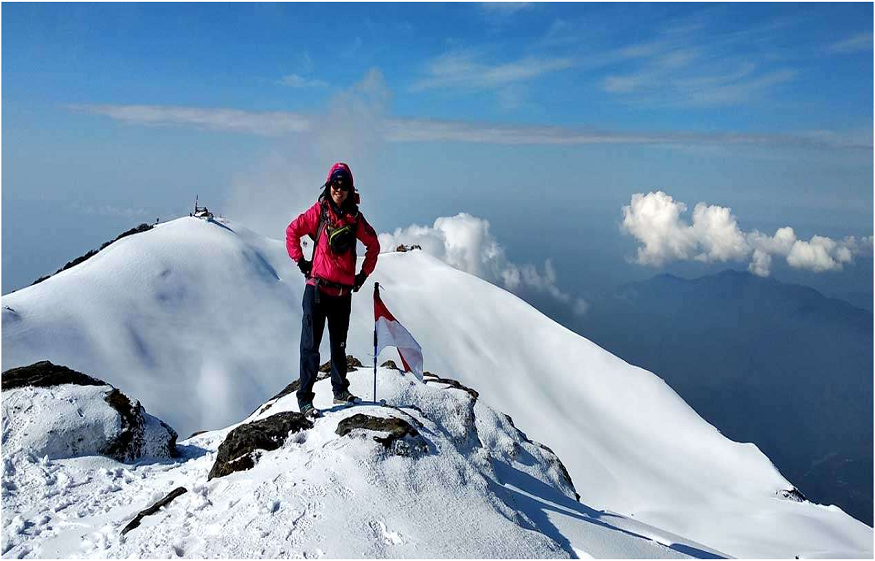
The Mardi Himal trek is the region’s best-kept secret—though it’s getting harder to keep it a secret these days. Compared to the busier Everest and ABC trails, Mardi Himal still feels wonderfully uncrowded. The route winds through thick, mossy forest before climbing above the tree line to High Camp, where the landscape shifts dramatically into rocky, wind-swept terrain. From there, a short pre-dawn walk brings you to the Mardi Himal viewpoint, where Machhapuchhre (Fishtail) and Annapurna South rise up close enough to feel personal. It’s raw, quiet, and honestly one of the most underrated mountain moments in Nepal.
Who Should Choose the Mardi Himal Trek?
This trail suits couples looking for a peaceful escape, solo travelers who enjoy a bit of solitude, and photographers chasing that perfect golden-hour shot without fifty other trekkers in the frame.
Poon Hill Trek: Nepal’s Most Famous Sunrise Trek
Why Travelers Love the Poon Hill Trek
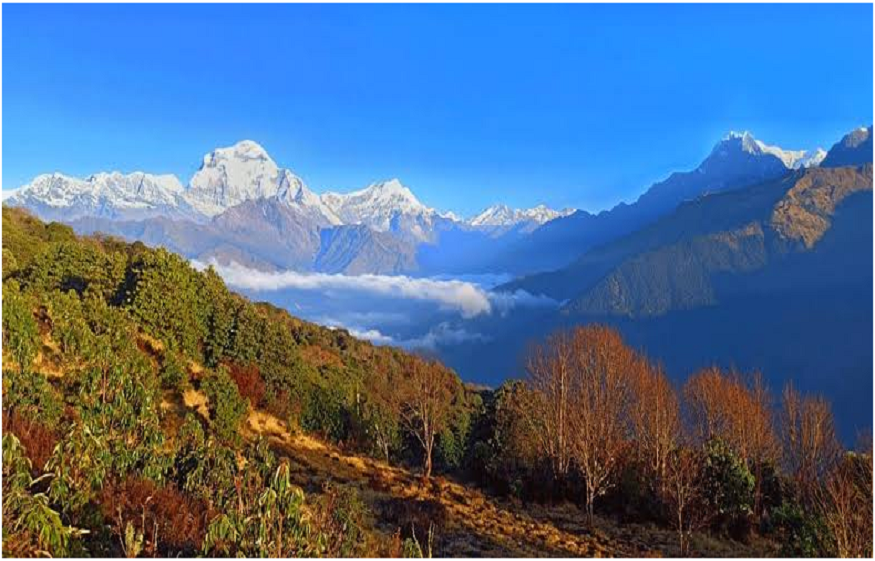
Ask any trekker about their favorite sunrise in Nepal, and there’s a good chance Ghorepani village and Poon Hill will come up. The Poon Hill trek is short, doesn’t demand serious mountaineering fitness, and still manages to deliver one of the most breathtaking sunrise views over Annapurna and Dhaulagiri that you’ll find anywhere in the country.
Best Highlights of the Poon Hill Trek
What keeps people coming back is how family-friendly the whole experience is. You’ll pass through charming cultural villages, walk beneath blooming rhododendron forests (spring is the season for this), and rest in comfortable tea houses along the way. For travelers short on time but not willing to compromise on mountain panoramas, the Poon Hill trek remains an easy recommendation.
Annapurna Base Camp Trek via Poon Hill: The Best of Both Worlds
More trekkers are choosing the Annapurna Base Camp trek via Poon Hill these days, and once you see the route, it’s obvious why. Instead of heading straight for ABC, this version starts with the same sunrise experience from Poon Hill before continuing deeper into the Annapurna Sanctuary. You’ll pass through Ghorepani, drop into the lush Chhomrong Valley, and follow the trail through Bamboo and Deurali, where the forest slowly gives way to alpine scenery. From there, it’s on to Machhapuchhre Base Camp and finally Annapurna Base Camp itself.
What makes this combination so appealing is the variety packed into one journey. You’re not just walking toward a single destination—you’re experiencing two of the region’s most iconic highlights back to back. The early sunrise at Poon Hill sets the tone, and the days that follow build steadily toward the dramatic finale at Annapurna Base Camp. For many, this is what a complete Annapurna trekking experience should look like: a bit of everything, without missing anything.
If you’re weighing up Annapurna trekking packages, this route tends to strike the best balance between scenery, cultural exposure, and that sense of earning the final destination.
Annapurna Base Camp Trek: What Makes It One of Nepal’s Greatest Adventures?
There’s something genuinely humbling about walking into the Annapurna Sanctuary. As the trail narrows and climbs, the mountains close in around you until you’re standing inside a massive natural amphitheater of snow and rock—Annapurna I, Annapurna South, Hiunchuli, and Machhapuchhre all towering above at once. Glaciers spill down the slopes, and the silence up there has a weight to it that’s hard to describe until you’ve felt it yourself.
Beyond the dramatic scenery, the Annapurna Base Camp Trek is also about the people along the way. Traditional villages, warm local hospitality, and tea house owners who’ve welcomed trekkers for generations all add up to an experience that stays with you long after you’re back home. It’s not just a hike—it’s one of those trips that quietly changes how you see mountains.
Comparing Mardi Himal Trek, Poon Hill Trek and Annapurna Base Camp Trek
| Feature | Mardi Himal Trek | Poon Hill Trek | Annapurna Base Camp Trek via Poon Hill |
| Duration | 4–5 days | 3–4 days | 9–11 days |
| Difficulty | Moderate | Easy to moderate | Moderate to challenging |
| Maximum Elevation | ~4,500m | ~3,210m | ~4,130m |
| Best For | Peace and solitude | Short holidays, families | Full Annapurna experience |
| Scenic Views | Close-up Machhapuchhre views | Sunrise panorama | Sanctuary amphitheater views |
| Crowds | Low | Moderate | Moderate |
| Photography | Excellent, less crowded shots | Excellent sunrise shots | Excellent varied scenery |
| Fitness Level | Average fitness | Beginner-friendly | Good fitness needed |
Best Time for the Mardi Himal Trek, Poon Hill Trek and Annapurna Base Camp Trek
Spring (March to May) brings blooming rhododendrons and generally stable weather, making it a favorite for photographers and first-timers alike. Autumn (September to November) is widely considered the best time for Annapurna Base Camp Trek plans, thanks to crisp air and unbeatable mountain visibility. Winter treks are possible on lower routes like Poon Hill, though higher trails such as ABC get cold and occasionally snow-blocked. Monsoon season (June to August) brings lush green hills but also leeches, slippery trails, and cloud cover that can hide the views you came for—so it’s usually best avoided unless you’re flexible about scenery.
Accommodation, Food and Local Experience Along the Trail
Tea house trekking in Nepal is honestly part of the charm. Simple rooms, shared bathrooms in some spots, and hearty local meals await you each evening. Dal bhat remains the trekker’s fuel of choice (unlimited refills, and yes, you’ll want them after a long day), while momos make for a comforting snack stop along the way. What really stands out, though, is the hospitality—lodge owners who remember your name, offer extra blankets without being asked, and turn a basic mountain lodge into something that feels like a home away from home.
Which Trek Should You Choose?
Go with the Mardi Himal trek if you want peaceful trails, fewer crowds, and a shorter mountain escape. Choose the Poon Hill trek if your schedule is tight but you still want that iconic sunrise moment. Pick the Annapurna Base Camp trek via Poon Hill if you want the complete Annapurna experience—sunrise views, cultural villages, and the sanctuary all in one journey. And if reaching the literal heart of the Himalayas is your main goal, the Annapurna Base Camp Trek delivers that in full, whichever route you take to get there.
Final Thoughts
At the end of the day, there’s no single “best” trek in the Annapurna region—only the one that matches your fitness, your time, and what you’re actually hoping to feel out there. The Mardi Himal trek rewards those chasing quiet trails, the Poon Hill trek suits travelers short on time but big on sunrise views, and the Annapurna Base Camp trek via Poon Hill combines both worlds into one unforgettable route. And for anyone dead set on reaching the heart of the mountains, the Annapurna Base Camp Trek remains one of Nepal’s greatest adventures. Whichever path you choose, plan carefully, travel responsibly, and let the Annapurna region unfold at its own pace.
Frequently Asked Questions (FAQs)
1. Is the Mardi Himal trek easier than the Annapurna Base Camp Trek?
Generally, yes. The Mardi Himal trek is shorter and involves fewer high-altitude days, making it more manageable for trekkers with moderate fitness, while ABC requires more stamina and several consecutive days at higher elevation.
2. How many days does the Poon Hill trek usually take?
Most itineraries wrap up in 3 to 4 days, making it one of the shortest and most accessible treks in the Annapurna region, especially for travelers with limited holiday time.
3. Why do many trekkers choose the Annapurna Base Camp trek via Poon Hill?
This route lets you enjoy the famous Poon Hill sunrise and then continue on to Annapurna Base Camp, essentially combining two bucket-list experiences into a single, well-rounded journey.
4. What is the best season for the Annapurna Base Camp Trek?
Autumn (September to November) and spring (March to May) are considered the best time for Annapurna Base Camp Trek plans, offering clearer skies, stable trails, and pleasant daytime temperatures.
Read More : Your Guide to Nepal’s Top Treks
5. Can beginners complete the Mardi Himal trek or the Annapurna Base Camp Trek?
Beginners with reasonable fitness and some walking preparation can manage both, though ABC demands more endurance due to its longer duration and higher altitude. Mardi Himal is generally the gentler starting point for first-time Himalayan trekkers.


More Stories
East Africa Adventure Guide
Planning a trip to East Africa can feel overwhelming pretty fast. There are dozens of parks, a hundred tour operators...
Discover the Majestic Everest Three High Passes Trek with Sherpa Guides
Everest Three Pass Trek Experience One of the most exciting trekking routes on the planet is the Everest Three High...
Your Guide to Nepal’s Top Treks
Pikey peak Trekking Pikey peak trekking is a covered up diamond in the lower Everest region that offers breathtaking all...
Upper Mustang Trek Guide
The Upper Mustang Trek is one of the most fantastic and brave journeys of the Colt regions in Nepal. The...