
East Africa Adventure Guide

211 Views
Planning a trip to East Africa can feel overwhelming pretty fast. There are dozens of parks, a hundred tour operators promising the “best” itinerary, and enough conflicting advice online to make anyone want to close the laptop and just wing it. That’s usually where things go wrong — travelers end up overpaying, missing peak wildlife seasons, or picking a destination that doesn’t actually match what they wanted to see. This East Africa Adventure Guide exists to cut through that noise, and honestly, no country deserves more attention in it than Uganda. While researching and understanding Uganda’s safari landscape, travelers often come across experienced local operators such as Forever Africa Safari, whose work reflects the growing interest in authentic wildlife experiences, conservation-focused travel, and well-planned journeys across East Africa.
Tucked between Kenya, Tanzania, and the Democratic Republic of Congo, Uganda doesn’t get the same spotlight as its neighbors, and that’s a little baffling once you’ve actually been. This is a country where you can track mountain gorillas through misty rainforest one morning and watch lions lounging in fig trees the next afternoon. Uganda safaris combine dense jungle, open savannah, and volcanic highlands in a way few other destinations manage. Add in some of the friendliest local communities you’ll meet anywhere on the continent, and it’s easy to see why Uganda tours keep landing on serious travelers’ bucket lists—not just as an afterthought, but as the main event.
Why Uganda Deserves a Place in Every East Africa Adventure Guide
Uganda gets called “the Pearl of Africa” a lot, and it’s not just marketing fluff. Winston Churchill coined that phrase over a century ago, and it still holds up.
Africa’s Most Diverse Wildlife Destination
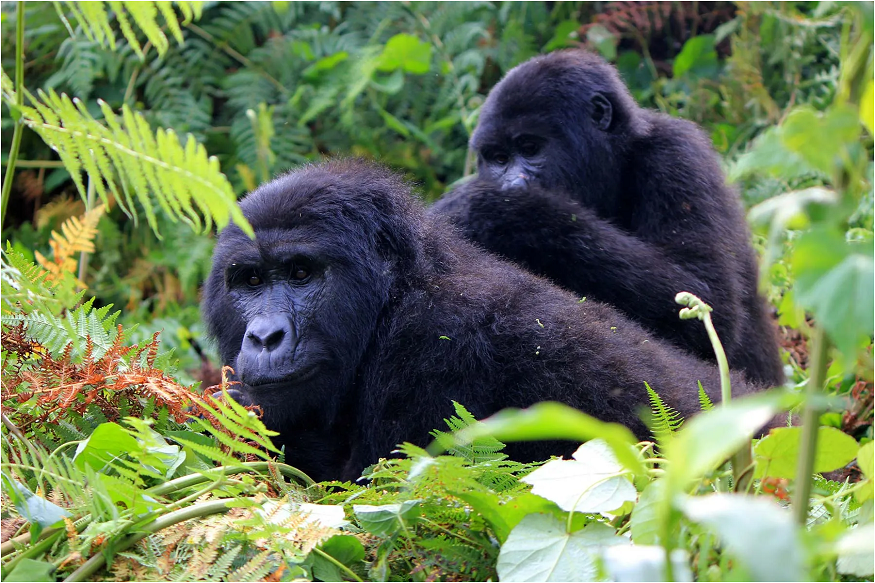
Few countries pack this much biodiversity into such a small footprint. Ten national parks, over 1,000 recorded bird species, and roughly half of the world’s remaining mountain gorilla population all live within Uganda’s borders. Uganda gorilla trekking is the headline act, sure, but it’s far from the only reason people fall in love with this place.
More Than Just Wildlife
Beyond the animals, you’ve got the Rwenzori Mountains rising into permanent snow near the equator, Lake Bunyonyi’s terraced hillsides, and cultural experiences with the Batwa and Karamojong communities that feel genuine rather than staged. Gorilla safaris in Uganda often get paired with these cultural encounters, and that combination—raw nature plus real human connection — is what makes the country stick with people long after they’ve left.
The Best National Parks to Visit in Uganda
Any solid Uganda tour has to be built around the right mix of parks, since each one offers something genuinely different.
Bwindi Impenetrable National Park
This is gorilla country. The forest is old, tangled, and steep, and trekking through it feels like stepping into another era. Photographers love the low light filtering through the canopy, and birders can easily spend days here without repeating a sighting.
Queen Elizabeth National Park
Known for its tree-climbing lions in the Ishasha sector, plus hippo-packed channels along the Kazinga Channel. It’s one of the most photogenic parks in the country, especially at golden hour.
Murchison Falls National Park
Home to the Nile’s most dramatic squeeze point, where the entire river forces itself through a gap barely seven meters wide. Boat cruises here get you close to crocodiles, elephants, and enormous pods of hippos.
Kibale Forest National Park
The primate capital of East Africa. Thirteen primate species call this forest home, chimpanzees included, making it a must for anyone chasing wildlife beyond the Big Five.
Gorilla Trekking – Uganda’s Most Famous Adventure
If there’s one experience that defines Uganda, it’s this one.
What Gorilla Trekking Is Really Like
You wake up early, get briefed by rangers, and head into thick forest with a small group and armed guides for protection (mostly against elephants and buffalo, not the gorillas). The hike itself can take anywhere from thirty minutes to six hours depending on where the family has moved. Then, suddenly, you’re sitting a few meters from a 400-pound silverback who couldn’t care less that you exist. Gorilla trekking in Uganda is emotional in a way that’s hard to explain until you’ve lived it.
How to Prepare
Fitness matters more than people expect — the terrain is steep, muddy, and unpredictable. Good boots, gloves for grabbing vegetation, and a walking stick (rented cheaply at the park) go a long way. Fitness level aside, mental patience helps too, since some treks run long.
Gorilla Trekking Rules
Permits are limited, groups are capped at eight visitors per gorilla family, and you’re only allowed one hour with them once found. Rules exist to protect the gorillas from disease transmission and stress, and a good gorilla safari in Uganda always respects that boundary rather than pushing for more time or closer contact.
Beyond Gorillas – Incredible Wildlife Experiences
Gorillas get the headlines, but Uganda’s wildlife résumé runs much deeper.
Chimpanzee Tracking
Kibale and Kalinzu forests offer chimp tracking that’s less strenuous than gorilla trekking but just as thrilling, especially when a troop starts calling across the canopy.
Tree-Climbing Lions
Ishasha’s lions have developed the unusual habit of lounging in fig and acacia trees during the heat of the day — a sight that photographers travel across the world just to capture.
Nile Boat Cruises
Slow river cruises along the Nile or the Kazinga Channel give you a totally different pace of safari, with elephants, hippos, and hundreds of bird species drifting past at eye level.
Big Five Safaris
Queen Elizabeth and Murchison Falls both offer solid game drives for lions, leopards, elephants, buffalo, and — with a bit of luck — rhino at Ziwa Sanctuary. Combined with river cruises, Uganda safaris here rival anything found further south in Kenya or Tanzania.
Planning Uganda Tours the Smart Way
Good planning is really the difference between a trip that flows and one that feels like a scramble.
Best Time to Visit
The dry seasons — December to February and June to September — offer easier trekking conditions and better road access. The rainy months bring lush scenery and fewer crowds, though trails get slippery.
Choosing the Right Itinerary
Trying to cram too many parks into a short trip usually backfires, since distances between them take longer than they look on a map. Pairing two or three parks tends to work better than rushing through five.
Budget vs Luxury Travel
Uganda caters to both ends of the spectrum. Budget travelers can camp and use public transport between towns, while luxury Uganda tours offer private guides, lodges inside the parks, and chartered flights that skip the long drives entirely.
Responsible Travel and Conservation
None of this wildlife wonder happens by accident.
Protecting Mountain Gorillas
Permit fees directly fund ranger patrols, anti-poaching efforts, and veterinary care for the gorillas. Choosing Uganda gorilla trekking through a licensed operator means your money is actually going toward keeping these animals alive for the next generation.
Supporting Local Communities
Many lodges hire locally and partner with community projects — schools, clinics, and craft cooperatives—near park boundaries. Traveling this way turns tourism into something that benefits the people living alongside the wildlife, not just the visitors passing through.
Read More: Discover the Majestic Everest Three High Passes Trek with Sherpa Guides
When choosing a safari partner, many travelers look beyond price and focus on factors such as local knowledge, responsible tourism practices, and realistic itineraries. Operators like Forever Africa Safari are part of this wider movement toward more meaningful safari experiences, where understanding the landscape, wildlife behavior, and local communities becomes just as important as visiting the famous parks themselves.
Suggested 7–10 Day Uganda Itinerary
Day 1–2: Arrival and Kampala
Settle in, adjust to the time zone, and maybe wander through Kampala’s markets or the Uganda Museum before heading out.
Day 3–5: Bwindi Gorilla Experience
Drive or fly to Bwindi, rest up, then spend a full day trekking. Many gorilla safaris in Uganda build in a buffer day here in case weather delays the trek.
Day 6–7: Queen Elizabeth National Park
Game drives, a boat cruise on the Kazinga Channel, and a shot at spotting those famous tree-climbing lions.
Day 8–10: Murchison Falls or Kibale Forest
Choose between chasing chimpanzees in Kibale or watching the Nile explode through Murchison Falls — both make for a strong finish.
Practical Travel Tips for First-Time Visitors
A few practical things worth knowing before you go: most nationalities need a visa, easily obtained online in advance. The Ugandan shilling is the local currency, though USD is widely accepted at lodges. Internet coverage is decent in towns and patchy in the parks, so don’t count on it. Yellow fever vaccination is required, and anti-malarials are strongly recommended. Pack layers — mornings are cold, afternoons are warm. Uganda is generally safe for travelers, and locals are famously welcoming, though it’s polite to ask before photographing people. Any well-planned Uganda Tour will walk you through these details, and if Gorilla Trekking in Uganda is on your list, book permits months ahead since they sell out fast.
Why Uganda Leaves Travelers Wanting More
There’s something about Uganda that doesn’t let go once you’ve experienced it. Maybe it’s the way a gorilla’s eyes meet yours in complete silence, or the sound of hippos grunting along the Nile at dusk. Maybe it’s just how genuinely warm people are, even in the smallest villages. Whatever it is, a proper gorilla safari in Uganda tends to reshape how travelers think about wildlife tourism altogether. Between the landscapes, the conservation success stories, and the sheer value compared to pricier neighboring countries, Uganda safaris consistently deliver more than expected — and Uganda tours rarely feel like “just another safari.”
Conclusion
Uganda has a way of exceeding expectations that few destinations manage. It’s not just about ticking gorillas off a list — it’s the mountains, rivers, birdlife, and communities that make this country feel like the beating heart of East Africa. Responsible tourism here genuinely supports conservation efforts and local livelihoods, making every trek and safari experience more meaningful. For travelers researching their options, resources and local safari specialists such as Forever Africa Safari can provide valuable insight into planning journeys that connect wildlife encounters with the deeper story of Uganda. The gorillas, forests, rivers, and mountains have been waiting.
Frequently Asked Questions
What is the best time to visit Uganda for a safari?
The driest months — December through February, and June through September — offer the easiest travel conditions, clearer trails, and better overall visibility for wildlife viewing.
How difficult is gorilla trekking in Uganda?
It ranges from moderate to genuinely tough, depending on where the gorilla family is that day. Steep, muddy terrain is common, so a reasonable fitness level makes a big difference.
How much does a Uganda gorilla trekking permit cost?
Permits currently run around $800 per person, though prices shift occasionally, so it’s worth confirming directly with a licensed operator before booking Uganda gorilla trekking.
How many days are enough for Uganda tours?
Seven to ten days hits the sweet spot for most travelers, allowing time for gorilla trekking plus at least one or two additional parks without feeling rushed.
Are gorilla safaris in Uganda worth the cost?
Almost universally, yes. Travelers who complete a gorilla safari in Uganda tend to describe it as one of the most powerful wildlife encounters of their lives, and the permit fees go straight back into conservation.

More Stories
Mardi Himal Trek, Poon Hill Trek & Annapurna Base Camp Trek via Poon Hill: A Complete Guide to the Best Annapurna Base Camp Trek Experience
If you've spent any time researching Nepal trekking, you already know the problem: too many good options and not enough...
Discover the Majestic Everest Three High Passes Trek with Sherpa Guides
Everest Three Pass Trek Experience One of the most exciting trekking routes on the planet is the Everest Three High...
Your Guide to Nepal’s Top Treks
Pikey peak Trekking Pikey peak trekking is a covered up diamond in the lower Everest region that offers breathtaking all...
Upper Mustang Trek Guide
The Upper Mustang Trek is one of the most fantastic and brave journeys of the Colt regions in Nepal. The...